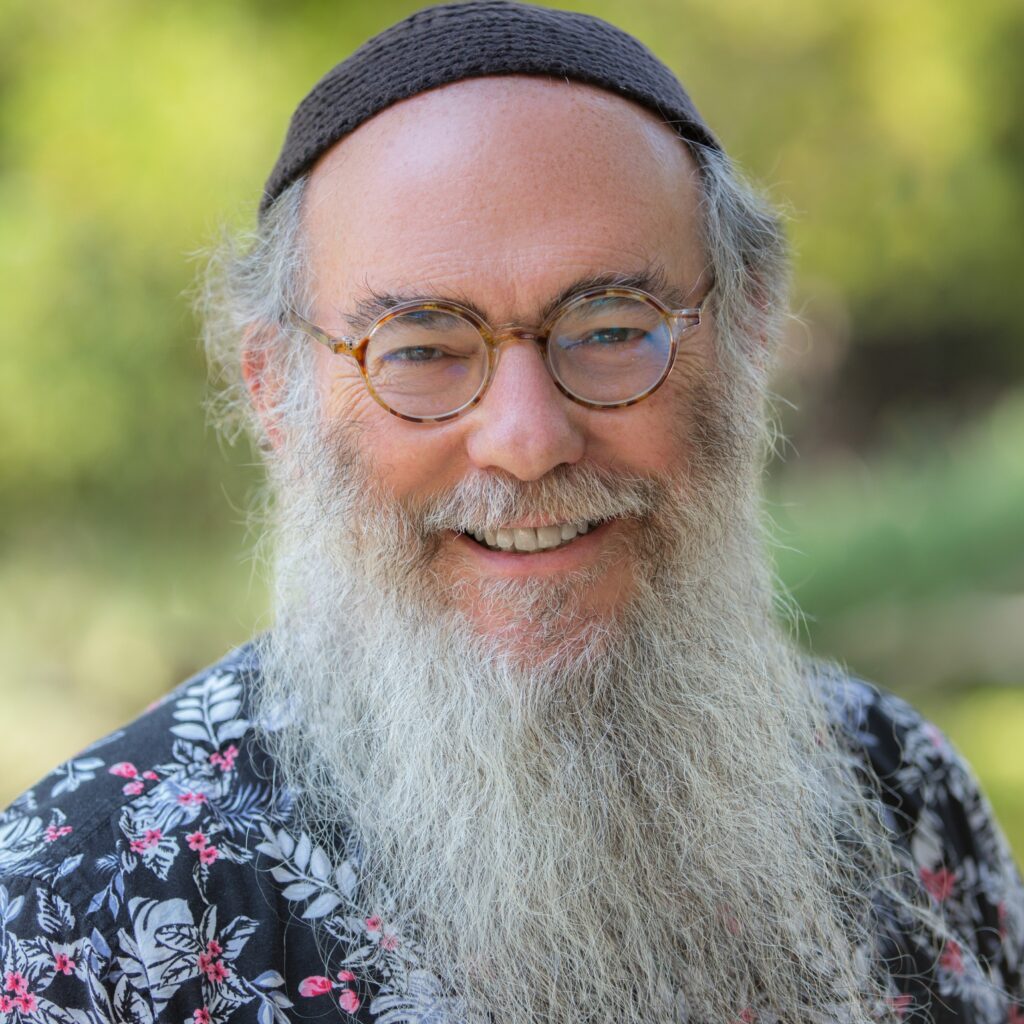
Rabbi Aryeh Cohen
Heschel's life was a life of prophetic agitation in which he saw his role as pushing the Jewish community beyond their comfort zones.
American Jewish University
Los Angeles, California
A Jewish Perspective
Where did you first encounter Heschel’s work?
In graduate school at Brandeis, I read Torah min Hashamayim. Subsequently I edited (an ultimately unpublished) translation of the books.
How did Heschel and his thinking inspire your work, religious life, or civic engagement?
In certain ways Heschel is used as a fig leaf; the picture of him and MLK on the bridge is trotted out every year on MLK Day as a proof text that the Jewish community is on the right side of history. But we’re not, on the whole, and Heschel's life was a life of prophetic agitation in which he saw his role as pushing the Jewish community beyond their comfort zones, out of the synagogues and the federation buildings and into the streets.
What of Heschel lives in you?
His combination of Hasidic transcendence and awe (which I don’t have, but wish I did) and political courage beyond the walls of the university.
Additional Writing: